CHINA ORIGIN OCEAN AIR CONSOLIDATION

TIME IS IMPORTANTAT ALL TIMES

Zhenghe Fullcarrier reviews ocean, air and consolidation requirements around the cargo, the route, the commercial scope and every important handoff. Clear inputs first. Workable options second.

START A ROUTE REVIEW
CargoType packing volume
OriginChina city or port
DestinationGateway final address
TimingReady date priority

OUR SERVICES

INTEGRATED SERVICES ONE ACCOUNTABLE FLOW

The mode is only one decision. We connect origin handling, main carriage, import-stage requirements and the final handoff around one clearly defined shipment scope.

BEST SUITED TO

Planned replenishment, larger or regular volumes, palletised cargo and shipments where landed cost matters more than the fastest possible transit.

WHAT WE COORDINATE

China-origin pickup or warehouse receiving, FCL or LCL planning, export-information handoff, main carriage and the agreed destination scope.

WHAT CHANGES COST OR TIMING

Origin city, cargo-ready date, weight and volume, equipment availability, sailing pattern, transshipment, destination charges and final delivery access.

WHAT TO PREPARE

Commodity, packing, pieces, dimensions, gross weight or CBM, ready date, origin and final address, plus the requested trade term.


CHINA ORIGIN TRADE LANES

PRIORITY MARKETS ROUTES BUILT AROUND THE SHIPMENT

A country name does not determine the route. We compare gateways, inland handoffs, importer responsibility and commercial scope against the actual cargo and final destination.

Illustrative China-origin route network

MARKET REVIEW

Australia New Zealand

Cargo profile, importer arrangement, taxes, inspection or biosecurity considerations and the delivery address reviewed as one connected scope.

DECIDING POINT

The deciding point is not simply Australia or New Zealand. It is whether the cargo, importer arrangement and final delivery conditions support the proposed door-to-door scope.

WHAT WE REVIEW

Review cargo restrictions and packing, port or airport choice, importer responsibility, tax basis, inspection or biosecurity exposure and the final delivery address.

BEFORE QUOTATION

Before quotation: provide the exact delivery postcode, commodity and packing, value, ready date, importer arrangement and any previous inspection or permit information.

WHAT CHANGES THE RECOMMENDATION

FIVE FACTORS DRIVE EVERY SOLUTION

01

Cargo type

Commodity, packing and restrictions determine whether a route is acceptable and what handling or documents must be planned before departure.

02

Volume

Pieces, dimensions, weight and CBM shape the FCL or LCL decision, chargeable weight, equipment choice and handling plan.

03

Timing

The cargo-ready date and real business deadline determine which cutoffs, departures and service levels are still workable.

04

Destination

The final city, postcode and delivery conditions can change the best gateway, import handoff and inland cost — even on the same trade lane.

05

Scope

Trade term, taxes, importer arrangement, inclusions, exclusions and handoff ownership must match before totals can be compared fairly.

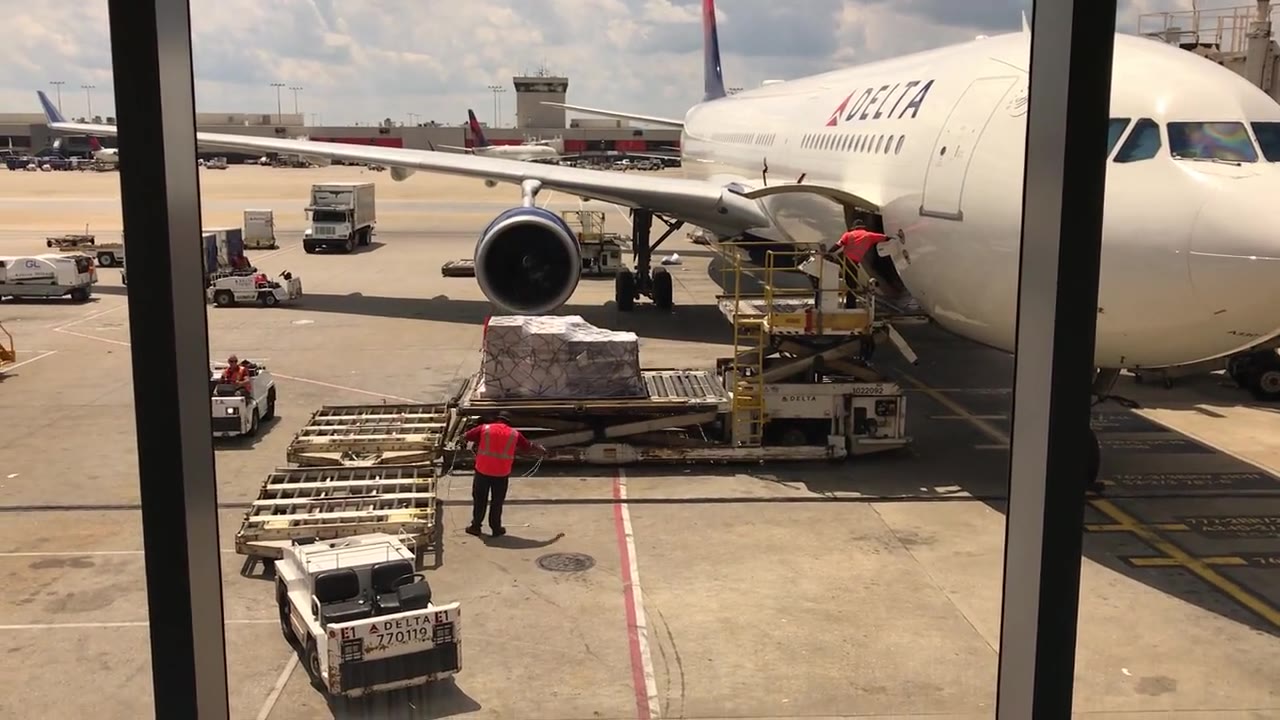
Warehouse consolidation handling

CONSOLIDATION DOCUMENTATION

LESS HANDLING GREATER CONTROL

Consolidation works when receiving, packing, documents and departure timing are designed as one sequence. The purpose is not simply to put cargo together, but to make every handoff ready for the next one.

  • Align supplier ready dates

    So one late handoff does not silently delay the full consolidation plan.

  • Check packing compatibility

    So fragile, non-stackable or restricted cargo is not combined on the wrong assumptions.

  • Confirm warehouse requirements

    So receiving, any additional handling and storage are confirmed case by case before charges and time accumulate.

  • Reconcile the documents

    So supplier descriptions, quantities and shipping papers support one clean departure handoff.

  • Release to main carriage

    So the combined cargo reaches ocean or air freight against a confirmed cutoff and responsibility point.

AUSTRALIA NEW ZEALAND DDP SCOPE

FROM CHINA ORIGIN TO FINAL DELIVERY

DDP is a scope, not a single price. Importer arrangement, taxes, customs responsibility, delivery conditions and important exclusions must be clear before the shipment moves.

01

Origin review

Cargo and scope confirmed

02

Origin handling

Pickup, consolidation and export preparation

03

Main carriage

Ocean or air route selected

04

Customs coordination

Import-stage information aligned

05

Inland delivery

Local transport to the agreed point

06

Final consignee

Delivery completes the defined scope

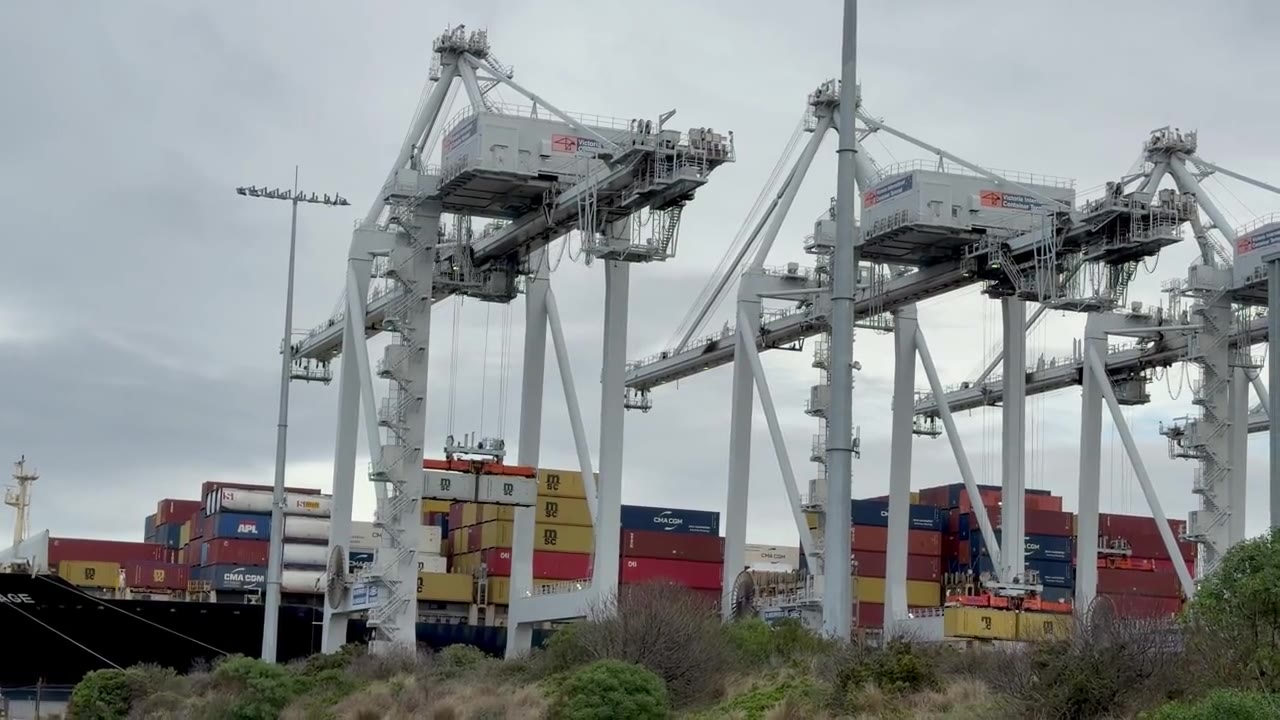
Australian container port operations

HOW WE WORK

A CLEAR PROCESS FEWER SURPRISES

01

Understand

We start with commodity, packing, volume, final destination, ready date and the constraints that can change route eligibility.

02

Define

We make the service term, importer arrangement, responsibilities, quotation assumptions and exclusions explicit before totals are compared.

03

Route

We compare workable modes, gateways, service levels and handoffs against the same shipment brief and business deadline.

04

Coordinate

We keep agreed milestones, responsibility points, documents and exception communication visible from origin handoff to final delivery.

ABOUT ZHENGHE FULLCARRIER

FREIGHT FORWARDING BUILT ON EXECUTION

Zhenghe Fullcarrier is a Qingdao-based international freight forwarder focused on China-origin ocean freight, air freight, supplier consolidation, customs coordination and clearly defined door-delivery scope.

Our work begins before a rate is compared: understand the cargo, define the service boundary, identify the decisions that change cost or timing, then coordinate the agreed handoffs against one shipment brief.

Zhenghe Fullcarrier brand mark

ROUTE REVIEW

START WITH THE SHIPMENT BUILD A CLEARER ROUTE BRIEF

Add the information already available. This page does not send, book or track cargo; it creates a structured summary on this device so a later route and quotation review starts from consistent inputs.

This summary is created on your device and has not been sent.

FREIGHT QUESTIONS

THE DETAILS THAT CHANGE THE ANSWER

What information changes the route recommendation

The exact origin, final destination, commodity, packing, pieces, weight, dimensions or volume, cargo-ready date and requested service term form the core of the decision. Importer details and restricted-cargo information should be included whenever they apply.

When does supplier consolidation make sense

It can make sense when supplier locations, ready dates, packing and cargo compatibility allow the loads to be received and combined without creating avoidable delay or handling risk.

How should a DDP quotation be read

Read it as a statement of scope, not only a total. Confirm the pickup and delivery addresses, importer arrangement, customs responsibility, tax basis, included destination charges, delivery conditions, exclusions and cargo assumptions.

How do I decide between FCL or LCL

The deciding point is not volume alone. Compare cargo dimensions and weight, packing, value, handling sensitivity, origin and destination charges, schedule, transshipment exposure and the final delivery plan. A smaller load may still justify FCL when handling risk or timing matters; a larger load may need LCL if supplier dates are not aligned.

Why does chargeable weight matter in air freight

Air freight is commonly assessed against actual gross weight and volumetric weight, with the higher figure affecting the commercial calculation. Before quotation, provide the number of pieces, gross weight and single-piece dimensions so the estimate is based on the right cargo profile.

Which cargo needs early review

Batteries, liquids, powders, magnetic materials, chemicals, dangerous goods, temperature-sensitive goods and unfamiliar regulated products should be identified before a route is proposed.